This conference, organised by the PLANTMETALS society , aims to bring together scientists of all disciplines working on trace metal metabolism in plants and other photosynthetic organisms.
Topics include all essential and non-essential trace metals, work on metalloids is also welcome.
Research may focus on uptake, translocation, sequestration, metabolic use, deficiency, toxicity, and detoxification of metals.
Recognizing the critical importance of research for sustainable societal and economic development, the founding members, representing the field of trace metal metabolism in plants, have established the Society for Research on Trace Metal Metabolism in Plants.
Their goal is to advance both fundamental and applied research in this area, with a long-term vision of benefiting the environment, enhancing food quality, and ensuring food safety.
This initiative seeks to continue the efforts of the COST Action PLANTMETALS under the same name to the extent possible without the direct support of the COST Association.
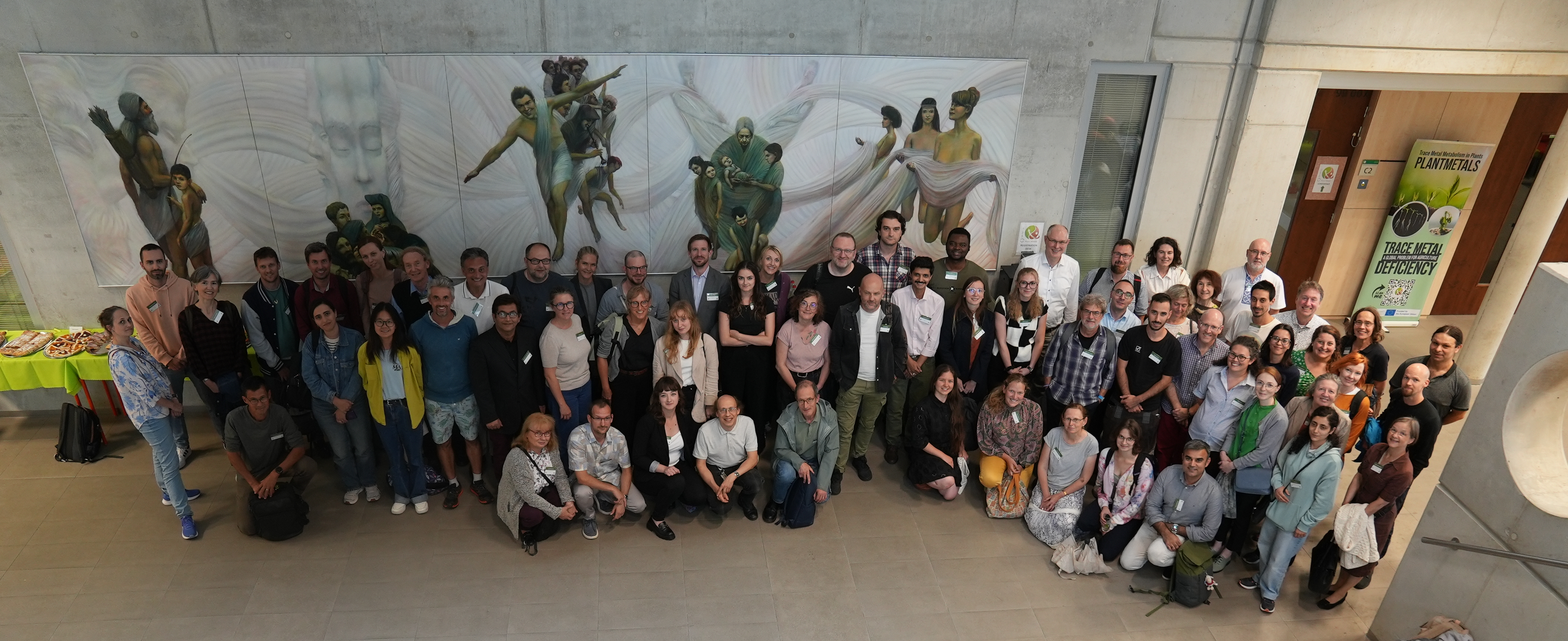
Photo from the last edition of the conference, held in České Budějovice (Czechia), 9–12 September 2025.
Plant Physiology, Bayreuth Center for Ecology and Environmental Research (BayCEER), University of Bayreuth
Department of Chemistry, University of Zurich
Université de Toulouse, CNRS, INP Toulouse, Laboratoire de Recherche en Sciences Végétales (LRSV)
Faculty of Engineering and Natural Sciences, Sabanci University
Department of Biological Sciences, Middle East Technical University
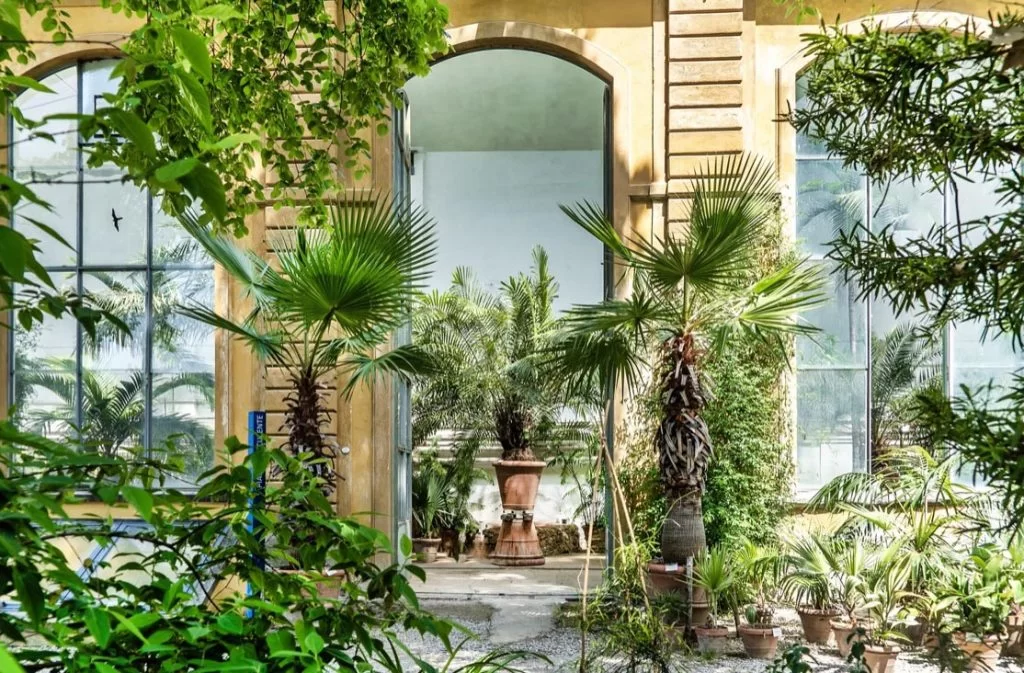
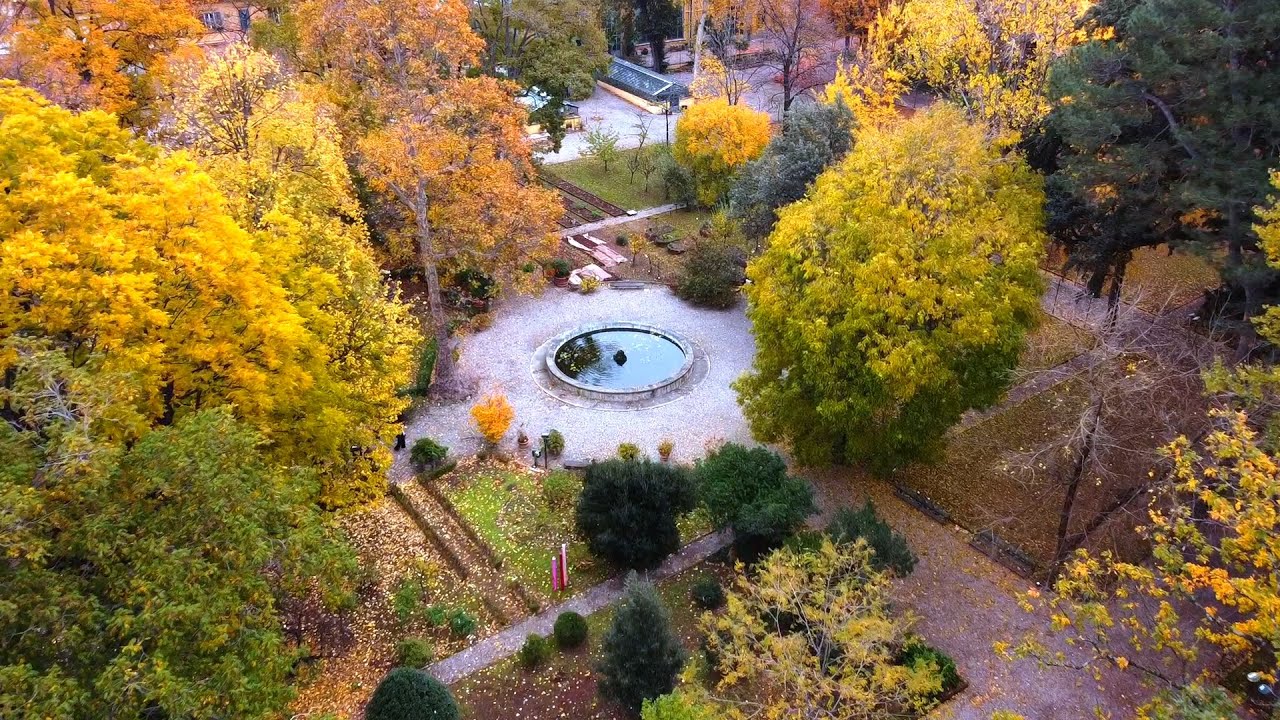
The Giardino dei Semplici is the botanical garden of Florence and one of the oldest in the world. Today, it is a key part of the Università degli Studi di Firenze Museum System.
Founded on December 1st, 1545, it was dedicated to the cultivation of medicinal plants, known as "semplici" in Renaissance medicine. It is considered the third oldest botanical garden in the world.
The garden covers 2.39 hectares and includes more than 5,000 specimens. The collection includes historic trees such as a Taxus baccata planted around 1720, a large cork oak (Quercus suber) from 1805, and several conifers such as Araucaria, Torreya, and Sequoia.
Firenze S.M.N. is the main station. A scenic 15-minute walk through the center or a quick ride via bus lines 1, 7, or 25.
Florence Airport (FLR) is connected via Tramway T2 directly to the city center in just 20 minutes.
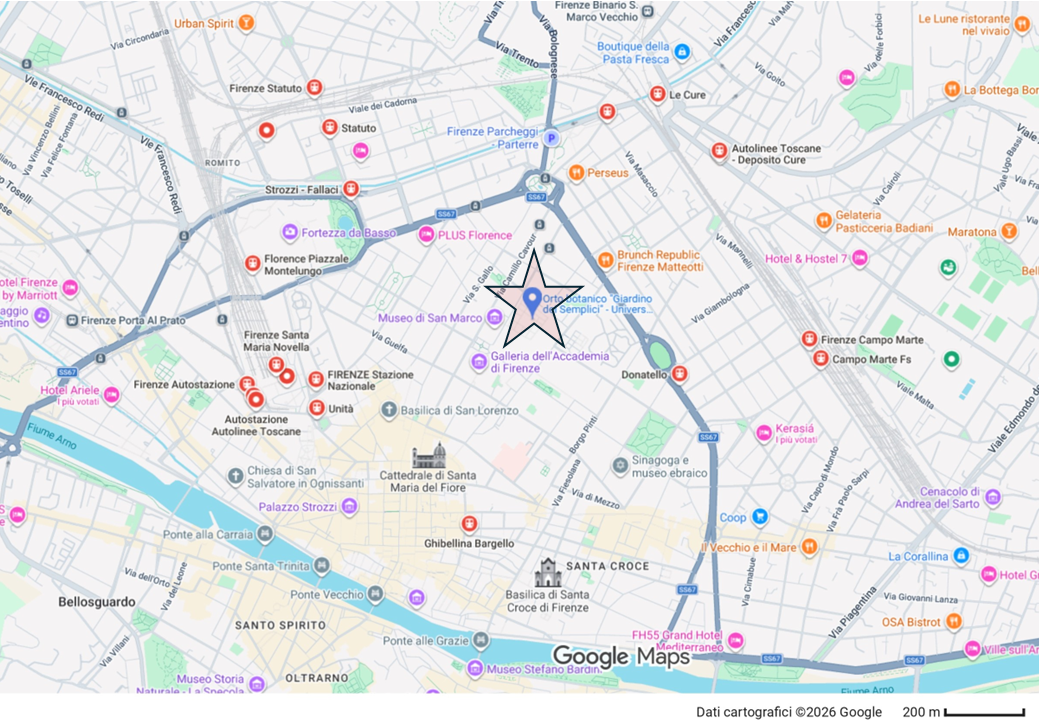
Location
Via Micheli, 3, 50121 Florence, Italy
The University of Florence does not have its own accommodation facilities. However, the city of Florence offers various types of accommodation that can meet different needs and budgets: hotels, hostels, residences, individual or shared apartments, and single or double rooms.
Availability and prices vary widely depending on the location and the services offered. We recommend booking in advance to secure the best rates during the conference period.
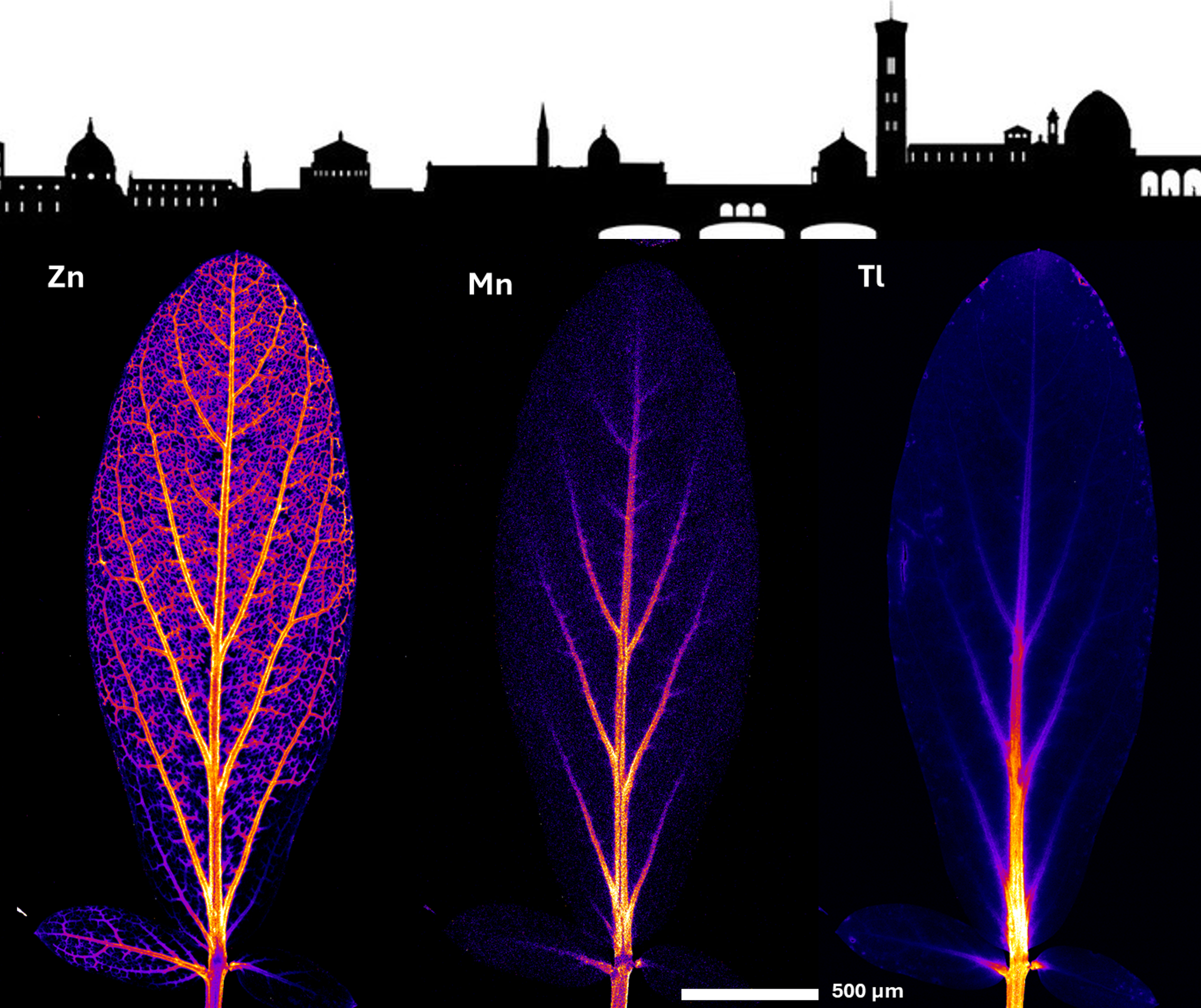
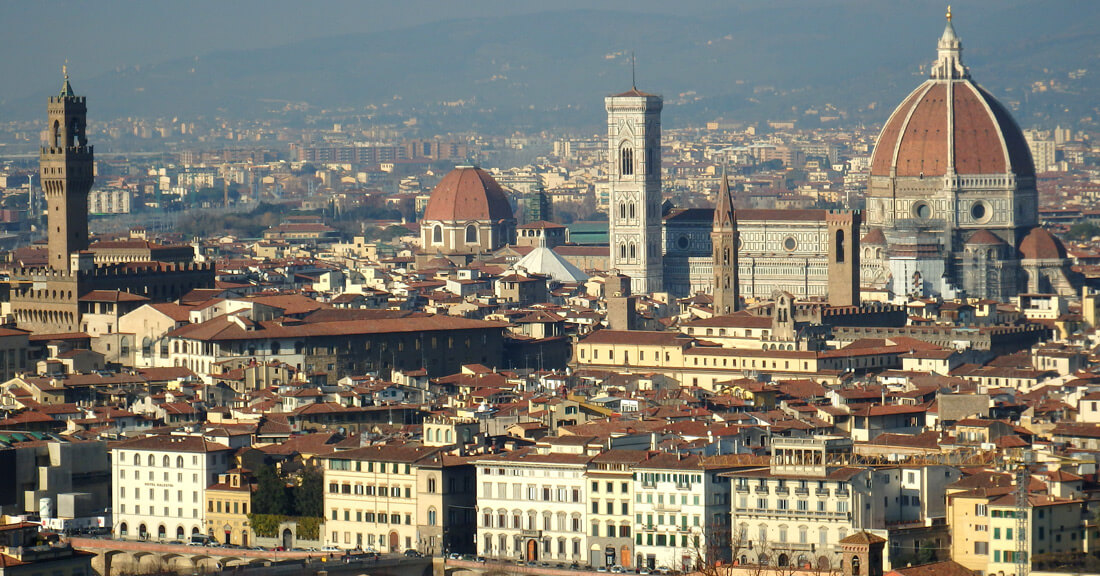
Florence view from Piazzale Michelangelo